
How the Insurance Restoration Process Works in Alberta
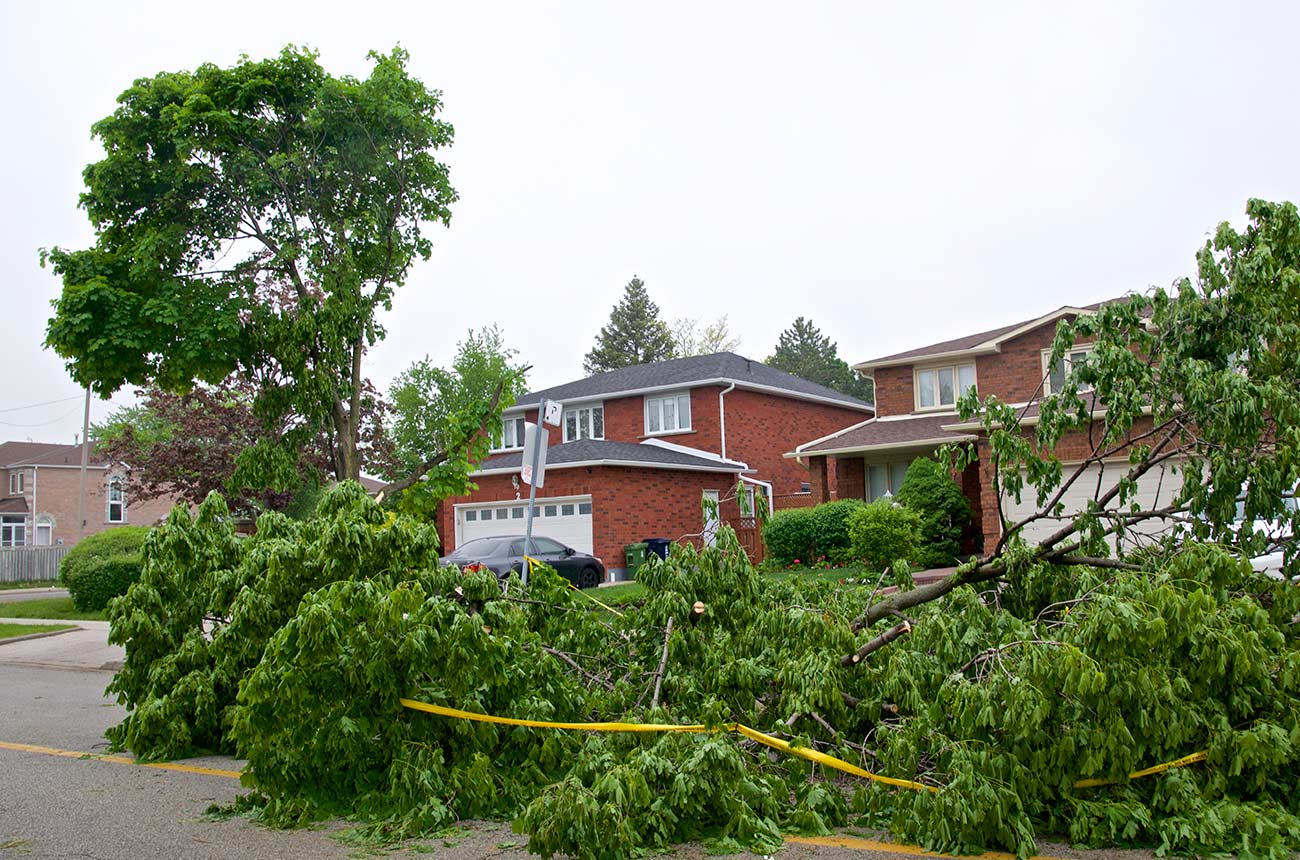
Property damage rarely arrives with a warning. In Alberta, sudden storms, burst frozen pipes, basement flooding, or fire incidents can change a home or commercial building in a matter of hours.
The immediate priority is safety and stopping the damage from spreading. The next priority is navigating the insurance process.
For many homeowners and property managers, dealing with a restoration claim feels more overwhelming than the damage itself. Understanding how the process actually works removes the guesswork and keeps recovery on track.
At Red Dot Restoration, we guide clients through every phase of the insurance restoration process that Alberta residents rely on. Clear communication, accurate documentation, and fast action separate a smooth recovery from a drawn-out ordeal.
Why the Process Feels Complicated
The main reason claims feel complicated is not that insurers avoid paying. It is because restoration work and insurance evaluation operate on different timelines.
Adjusters focus on policy terms, coverage limits, and documented scope. Restoration professionals focus on moisture levels, structural safety, and rebuild standards.
When these perspectives do not align early, estimates often miss critical steps. Hidden damage, air-quality controls, or code-compliant rebuild requirements are often overlooked.
Alberta properties face specific environmental stressors. Freeze-thaw cycles damage plumbing. Heavy rainfall pushes water into basements. Aging infrastructure increases sudden system failures.
Damage rarely stays at surface level. Moisture travels behind drywall and into structural cavities. A restoration contractor who understands both physical damage and insurance workflow keeps the project moving.
The Steps in a Restoration Insurance Claim
Knowing the exact sequence helps you stay organized. While every claim has unique variables, the steps in a restoration insurance claim generally follow a consistent path.
Secure the Property and Ensure Safety
Shut off electricity and gas if water or fire has compromised those systems. Restrict access to unstable areas. Emergency mitigation begins here. Fast containment prevents secondary damage.
Document the Damage Thoroughly
Before moving items or starting cleanup, capture clear photos and video. Take wide shots for context and close-ups for specific damage points. Professional teams perform moisture mapping to show exactly where water has travelled.
File the Claim and Meet with an Adjuster
Contact your insurance provider as soon as it is safe. Provide your initial documentation and schedule the adjuster visit. Having a restoration contractor present ensures hidden moisture and structural drying needs are included in the scope.
Begin Mitigation and Controlled Drying
Once the claim is acknowledged, mitigation starts immediately. Water extraction, content relocation, structural drying, and air filtration happen during this stage. Proper drying protocols prevent mould growth and material degradation.
Review the Estimate and Approve the Scope
The insurance company issues a detailed estimate. Review it with your restoration team. Supplements are normal. As walls open, additional damage is often uncovered. Your contractor submits supplement requests with supporting photos to ensure the scope matches reality.
Complete Reconstruction and Final Walkthrough
With drying complete and the estimate approved, reconstruction begins. Drywall, flooring, paint, and fixtures are restored to pre-loss condition. A final walkthrough confirms everything meets quality standards. The claim closes when the property is fully functional.
Understanding How Insurance Payouts Actually Work
The financial side of a claim often causes confusion. Most Alberta policies pay out in two stages when you carry replacement cost coverage.
The first payment is based on actual cash value. This means the insurer subtracts depreciation from the replacement cost. You receive the initial funds to start mitigation and early repairs.
Once the work is complete and final invoices are submitted, the insurer releases the recoverable depreciation. This second payment covers the difference between the value of the damaged materials and the cost to replace them.
Thorough documentation matters at every stage. If moisture readings, supplement photos, and material invoices are missing, the insurer may reduce the final payout. A restoration contractor who tracks everything from day one protects your full coverage entitlement.
How Seasonal Conditions Impact Claim Timelines
Weather plays a direct role in how quickly restoration moves forward. Alberta's climate swings create scheduling realities that homeowners should understand up front.
Winter freezes slow exterior repairs. Roofing, siding, and foundation work often wait until temperatures stabilize. Indoor drying and mitigation continue uninterrupted, but final finishes may require temporary weatherproofing.
Spring storms and summer hail events overwhelm adjuster schedules. High claim volumes naturally extend wait times for initial inspections. Professional restoration teams account for this by starting mitigation before the adjuster arrives and documenting everything independently.
Professional contractors plan around these seasonal factors. Interior drying, contents restoration, and structural repairs proceed regardless of outside conditions. Clear communication about weather delays keeps expectations realistic and prevents unnecessary frustration.
Where Homeowners Lose Time
Delays rarely come from the insurance company. They usually come from avoidable gaps in the early response.
- Waiting to report damage gives moisture and mould time to spread. Policies often require prompt notification.
- Attempting DIY cleanup creates documentation gaps. Household fans remove surface water but not moisture trapped inside materials.
- Skipping professional scope alignment leaves estimates incomplete. Adjusters work from visible damage. Restoration professionals identify what is hidden.
- Managing multiple contractors fragments the timeline. Handing off mitigation to one company and reconstruction to another creates scheduling gaps.
How Red Dot Restoration Keeps Your Claim Moving
Red Dot Restoration provides 24/7 emergency response across Calgary, Airdrie, Okotoks, Chestermere, Cochrane, High River, and Strathmore. When damage occurs, our team arrives quickly to secure the property and begin controlled mitigation.
We handle direct insurance coordination from day one. Our project managers communicate with your adjuster, submit accurate documentation, and manage supplements, so you are not caught in the middle. One call handles everything, from initial emergency dispatch to final reconstruction.
If your property has experienced water, fire, storm, or sewage damage, contact Red Dot Restoration to start your insurance claim with a professional team on site today.