
Sump Pump Failure in Calgary: What Homeowners Need to Know
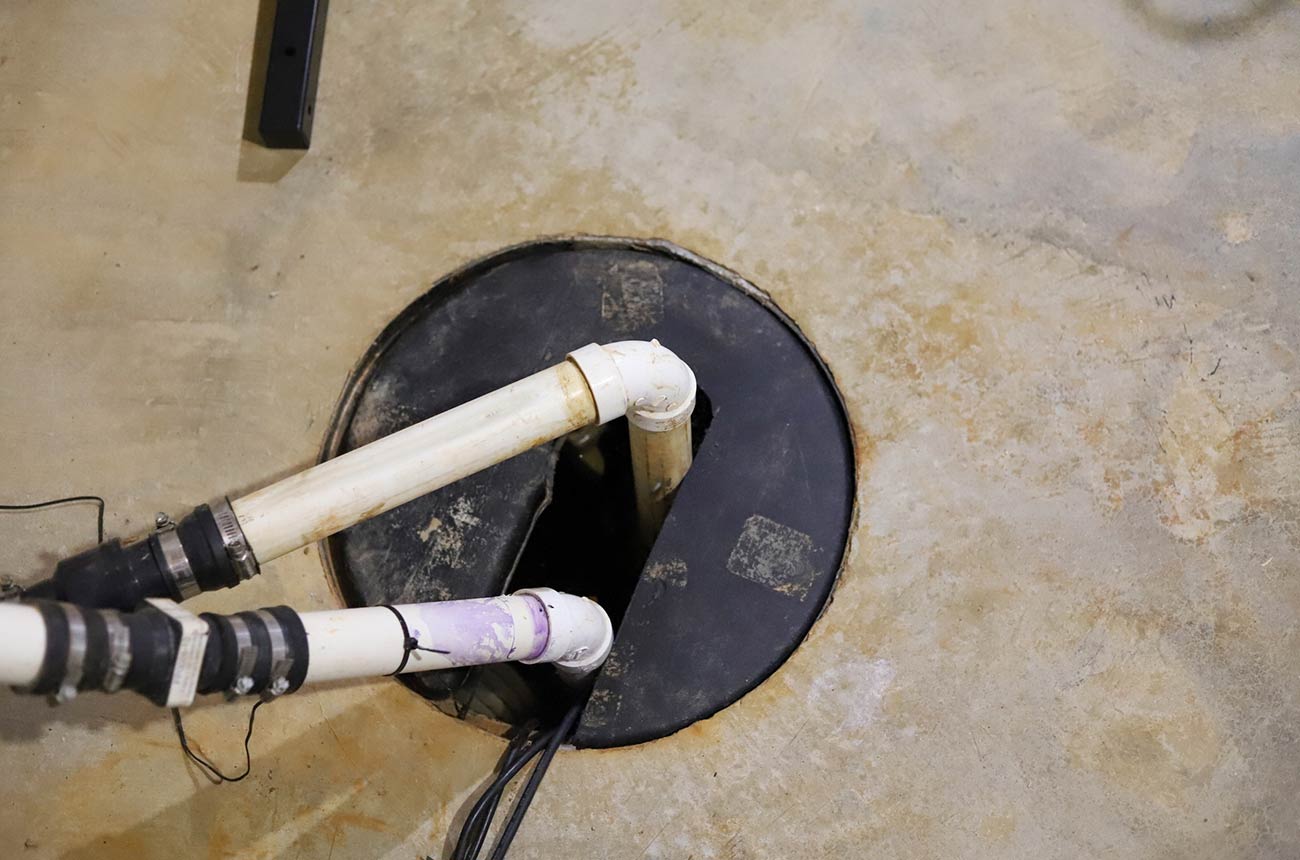
Sump pumps rarely fail with much notice. In Calgary, this can usually happen during heavy rain, a spring thaw, or a cold snap that freezes your discharge line. Here's what to watch for, how to reduce your risk, and what to do if yours stops working.
Why is it a bigger problem in Calgary
Calgary's climate is hard on sump pumps. Spring snowmelt can push water pressure against your foundation for weeks at a time. Summer storms can overwhelm drainage in a matter of minutes. And in winter, discharge lines freeze more often than most homeowners expect, which means the pump runs but the water has nowhere to go.
When a pump fails, water doesn't stay put. It works its way into flooring, baseboards, drywall, and insulation before you've had a chance to react. What starts as a wet floor can become a mould problem within 24 to 48 hours.
What causes sump pumps to fail
Most failures trace back to a few common causes worth knowing before they become your problem.
- Power loss during storms. Most pumps run on electricity. When the power goes out, your basement protection goes with it right when you need it most.
- Overload from heavy water flow. During the spring thaw or extended rain, a pump can fall behind in the volume of water entering the pit.
- Wear over time. Motors and float switches degrade. Without periodic checks, you often won't know there's an issue until the pump fails under pressure.
- Frozen discharge lines. This is especially common in Calgary winters. If the line is frozen or blocked, water backs up into the basement regardless of whether the pump is working.
- Wrong size for the home. An undersized system may struggle even under normal conditions, let alone during peak demand.
Signs your pump may be struggling
A failing pump usually gives some warning. These are worth paying attention to:
- The pump runs constantly or doesn't turn on when it should
- Grinding or rattling sounds during operation
- Debris or sediment is building up in the pit
- Moisture or damp patches forming along foundation walls
- A persistent musty smell in your basement
None of these are emergencies on their own, but each one is worth investigating before the next storm or thaw season.
How to lower your risk
Test it before high-risk seasons
Pour a bucket of water into the sump pit before spring hits. If the pump kicks on right away and drains it without hesitation, you're in good shape. If it's slow, noisy, or doesn't activate, it's worth having it looked at before the ground starts to thaw.
Add a battery backup
A battery backup is one of the best investments a Calgary homeowner can make. It keeps your pump running during power outages, which is exactly when most basement flooding happens.
Keep the discharge line clear
Check that the outlet isn't buried in snow or covered in ice during cold months. Some homeowners add insulation to exposed sections of the line to prevent freezing.
Replace aging equipment proactively
Most sump pumps last somewhere between 7 and 10 years. If yours is getting up there, replacing it before it fails is far cheaper than dealing with the water damage that follows.
What to do when your sump pump fails
Start with safety. If water is near electrical outlets, your panel, or any appliances, don't enter the area until power to that section is shut off. Call your utility if you're unsure how to do that safely.
- Check whether water is still entering. During an active storm, you may not be able to stop the source. Focus on slowing the spread rather than solving the problem all at once.
- Remove surface water if it's safe to do so. A wet-dry vacuum or a submersible utility pump can help reduce standing water. Keep in mind this won't address moisture that has already soaked into walls or flooring.
- Move belongings out of the area. Furniture, boxes, and anything absorbent should come out as quickly as possible. The longer items sit in moisture, the harder recovery becomes.
- Call a restoration team sooner rather than later. The visible water is only part of the problem. Moisture inside walls and beneath flooring requires professional equipment to detect and properly dry. Waiting even a day can significantly increase the risk of mould.
When to call right away
Some situations shouldn't wait. Call immediately if:
- Water is rising or spreading into other areas of your home
- Electrical systems or appliances are involved
- The water has a sewage odour, which points to a backup rather than simple flooding
- Your basement has flooded before, since a pattern usually signals a drainage or structural issue
- You notice mould beginning to form within a day or two of the event
How Red Dot Restoration responds
Red Dot Restoration provides 24/7 emergency service across Calgary and the surrounding area, including Airdrie, Okotoks, Chestermere, Cochrane, High River, and Strathmore. When you call after hours, a live team member picks up, not an answering service.
We start with water extraction using commercial-grade equipment, then use moisture detection to find water inside walls and under flooring that isn't visible. From there, we set up controlled drying to stop mould from taking hold. Once fully dry, if you choose, the same team handles repairs and reconstruction, so you don't have to coordinate between separate contractors at an already stressful time.
If your damage involves an insurance claim, we'll help you navigate the process and work directly with your adjuster to reduce the back-and-forth on your end.
Sump pump failed? Don't wait.
Water damage spreads quickly, and mould can begin to form within 24 hours of a flooding event. Red Dot Restoration is available around the clock for Calgary homeowners dealing with basement flooding and water emergencies.