
Mold in a Rental Property: A Calgary Property Manager’s Guide
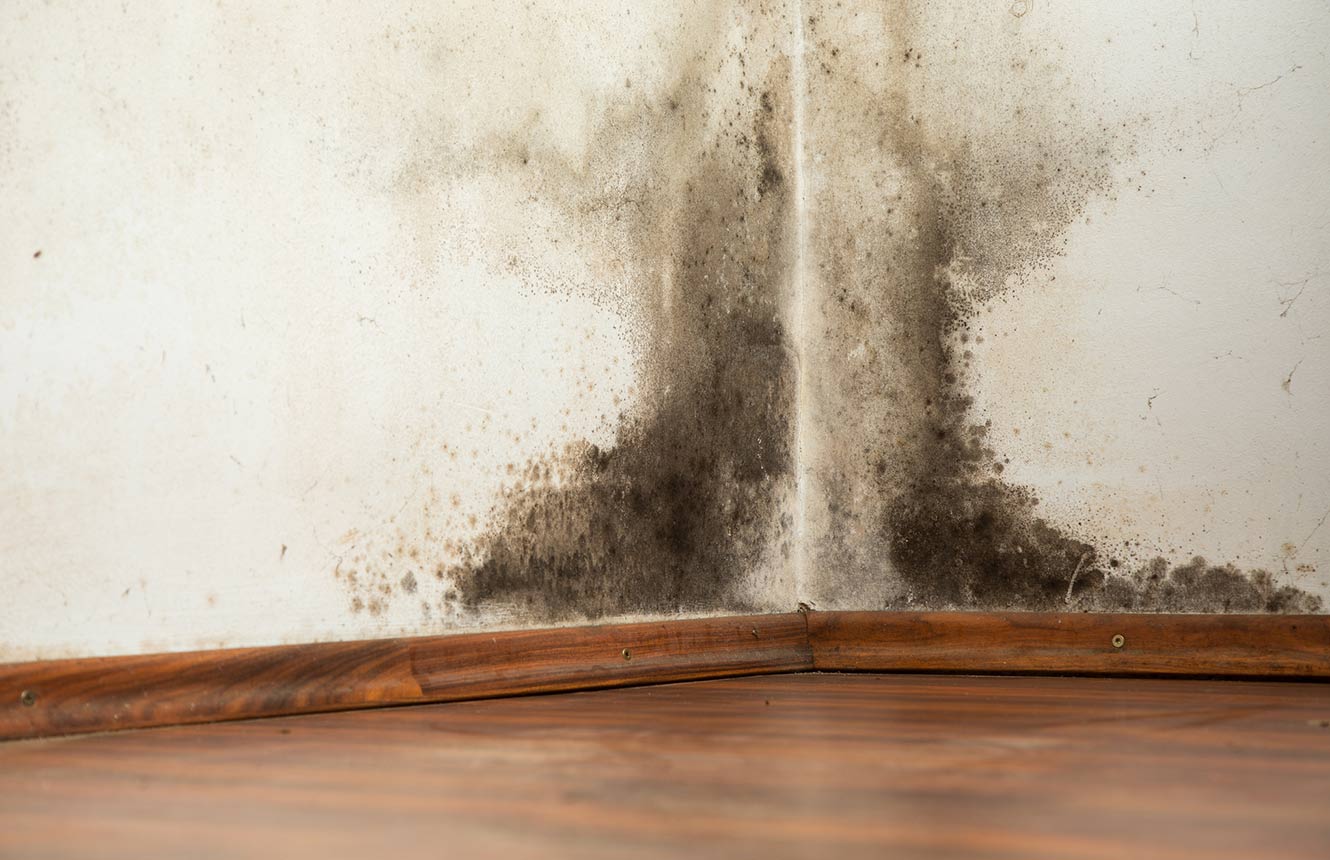
A tenant sends you a photo of dark spotting around a bedroom window and says they think it’s mold. At that point, you probably don’t know whether you’re looking at condensation, a leak behind the wall, an exterior issue, or something left over from an older water problem.
What you do know is that it needs a proper look.
For Calgary property managers, mould complaints can get complicated quickly because they involve two questions. What’s causing the moisture, and what needs to be done about it? And who is ultimately responsible for the problem and the cost?
Usually, you need a clearer picture of the cause before you can answer the second question fairly.
Who Is Responsible for Mould in an Alberta Rental?
Under Alberta’s Residential Tenancies Act, landlords must keep rental premises habitable throughout the tenancy and meet the province’s Minimum Housing and Health Standards.
Tenants have responsibilities too. They’re expected to keep the property reasonably clean, prevent damage, and report problems instead of allowing them to continue unnoticed.
With mould, the cause matters. A roof leak, failed plumbing line, foundation issue, or building-envelope problem is very different from damage tied to something the tenant did or failed to report.
There’s also a difference between addressing the condition and deciding who ultimately pays for it. A property manager may still need to arrange an inspection or stop an active moisture problem while sorting out who pays.
That’s why it’s usually better to investigate first rather than start with blame.
What to Do When a Tenant Reports Mould
The response doesn’t need to be complicated. You’re trying to understand what has been reported, make sure it isn’t getting worse, and arrange access to see what’s happening.
Start with the basic facts. Ask where the mould is, when the tenant first noticed it, whether there has been a leak or flood, and whether the area has been cleaned and returned before. Photos can help, but they won’t show what’s happening behind a wall or under the flooring.
Arrange an inspection. In many cases, you’ll need access to the unit to look at the affected area and nearby plumbing, windows, exterior walls, ventilation, or other possible moisture sources. Alberta has rules around landlord entry and notice, so routine inspections and repairs should follow the proper access process.
Look for the cause. The issue might be a leaking pipe, roof or window leak, condensation, poor ventilation, damp basement conditions, an HVAC problem, or an older water loss that never completely dried.
Check how far it goes. A small patch around a bathroom window is different from mould extending behind drywall, into insulation, or through a shared wall.
The Moisture Source Comes First
It’s tempting to focus on the mould because that’s what everyone can see, but cleaning the surface won’t solve much if the material keeps getting wet.
Take recurring mould around a bedroom window. The tenant may assume the window is leaking, while the owner may think indoor humidity is too high. Either could be possible, but there may also be a failed seal, cold exterior wall, ventilation issue, or water entering somewhere above the window.
Bathrooms are similar. Recurring mould may be connected to everyday humidity, but it could also point to an exhaust fan that isn’t working properly or moisture inside the wall.
Once you know where the moisture is coming from, the rest of the response becomes much clearer.
Do You Need Mould Testing?
Property managers sometimes assume testing has to happen before anything else, but that isn’t always the case.
If mould is clearly visible and there’s an obvious moisture problem, the more useful questions are usually how much material is affected and what needs correcting.
Testing can make sense when there’s a specific question to answer. There may be a persistent musty smell but no visible growth, several units could be involved, the extent of the problem is disputed, or a larger remediation project may need independent verification.
The key is that testing should help you decide. It shouldn’t delay action on an obvious moisture problem.
Can the Tenant Stay in the Unit During Remediation?
Sometimes they can. Sometimes the work makes that impractical.
It depends on where the mould is, how much material needs to be disturbed, whether the work area can be safely contained, and which parts of the unit will be affected.
A contained repair in one bathroom has a very different impact from remediation involving a bedroom, kitchen, several rooms, or multiple suites. Plumbing shutdowns, demolition, drying equipment, containment, and access requirements can all affect whether normal use of the unit is realistic.
If there’s a chance the work will significantly affect occupancy, have that conversation early. Also document any agreements about temporary access, relocation, rent, or other tenancy arrangements clearly.
How to Talk to the Tenant About Mould
This part matters more than it may seem.
A tenant reporting mould may already be worried about their belongings, their health, or whether they’ll have to leave the unit. At the same time, the property manager may still have very little confirmed information.
The best approach is to be clear about what you know and what you’re still checking.
You might explain that moisture has been found around an exterior wall and the next step is checking whether it extends behind the drywall. Or that a contractor is coming the following day to investigate the source and affected area.
That’s better than making an early statement that the mould is harmless, that the tenant caused it, or that a particular repair will definitely solve the problem.
If a tenant raises health concerns, take the concern seriously, but leave medical conclusions to healthcare professionals. A restoration contractor can assess the building and moisture conditions. They can’t determine whether mould caused a particular symptom.
What Should a Property Manager Document?
You don’t need to create a huge file before anyone has even looked at the unit, but keeping a clear record from the beginning can save a lot of confusion later.
Keep the tenant’s original report, any photos they provided, your inspection notes, access notices, contractor findings, information about the moisture source, records of completed work, and relevant tenant communications.
If the mould is connected to a larger insured loss or affects several units, the documentation will usually become more detailed.
The goal is to show what was reported, what was found, what was done, and when.
When Does It Become a Professional Remediation Job?
A small amount of surface mould in a straightforward situation may be manageable once you correct the moisture source. The decision changes when the growth extends into porous building materials or the source is still unclear.
Professional mould remediation makes more sense when mould is behind walls or ceilings, keeps returning, affects more than one room or unit, follows a flood or sewage event, or involves shared building cavities or ventilation systems.
In a multi-unit property, that last point matters most. What looks isolated inside one suite may be connected to plumbing chases, shared walls, roofing, or another part of the building.
Checking the surrounding area early can help keep one tenant complaint from becoming a much larger property problem.
What If the Tenant and Owner Disagree About Responsibility?
Sometimes everyone agrees there’s mould and nobody agrees on why it’s there.
If the cause or responsibility remains disputed, inspection findings and written records become especially important. When the parties can’t resolve a residential tenancy dispute themselves, Alberta’s Residential Tenancy Dispute Resolution Service can handle many disputes under the Residential Tenancies Act.
Alberta Environmental Public Health can also become involved when rental housing conditions raise health or Minimum Housing and Health Standards concerns.
Most property managers would rather keep the situation from reaching that point. Responding promptly, documenting what you find, and keeping the tenant informed gives everyone a much better starting point.
How Red Dot Restoration Helps Calgary Property Managers
When mould is reported in a rental property, the hardest part is often figuring out how large the problem really is and what needs to happen first.
Red Dot Restoration works with Calgary property managers and multi-unit residential buildings to identify moisture problems, assess affected areas, contain and remediate mould when needed, and provide clear documentation for owners, tenants, and insurers.
If mould has been reported in one of your properties and you need a clear picture of what you’re dealing with, contact Red Dot Restoration to arrange an assessment.