
Hidden Water Damage: 7 Signs You Might Miss in Your Calgary Home
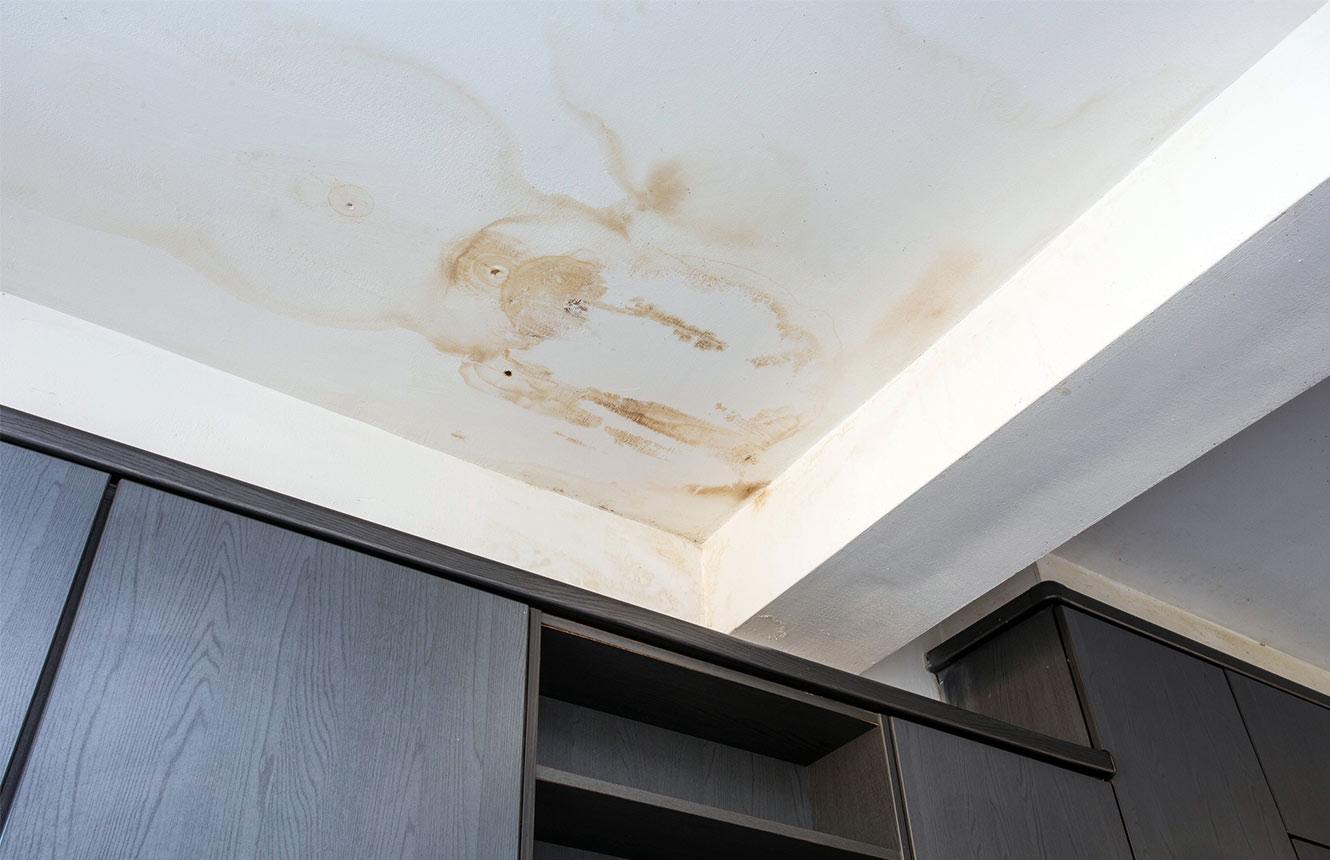
Water damage is not always obvious. Sometimes there is no flooded basement, dripping ceiling, or burst pipe to point to. Instead, you notice that a baseboard looks a little swollen, one patch of paint keeps changing colour, or the basement has developed a musty smell you cannot quite place.
Those small changes are easy to brush off, especially when everything else seems dry. The problem is that water can move behind walls, under flooring, and through insulation long before it becomes obvious from inside the room.
In Calgary, that hidden moisture can come from plumbing leaks, appliance lines, roof damage, spring thaw, foundation seepage, or water left behind after an earlier leak. Knowing what to watch for can help you catch a problem before it becomes a much bigger repair.
Why Hidden Water Damage Can Be Hard to Spot
Water does not always show up where it entered the home. It can travel along framing, underneath flooring, behind baseboards, or through ceiling cavities before it finally leaves a visible clue.
That is why the stain on your ceiling may be several feet away from the actual roof leak, or why flooring can start to swell beside a dishwasher even though you have never seen water on the kitchen floor.
Calgary’s weather adds a few more possibilities. Frozen pipes can start leaking when temperatures warm up, rapid snowmelt can expose drainage problems, and storms can create small roof or exterior leaks that may not be obvious right away.
Here are seven signs to watch for.
1. A Stain That Keeps Coming Back
A water stain does not have to be large or dark to matter. It may start as a faint yellow or grey patch on the ceiling, around a window, near the floor, or underneath an upstairs bathroom.
What matters is whether it keeps returning. If the spot becomes more noticeable after rain, snowmelt, a shower, or when an appliance runs, that timing can give you a useful clue about where the moisture is coming from.
A stain that dries out is not necessarily a problem that has gone away. It may simply mean the water has stopped for the moment.
2. Bubbling Paint or Swollen Baseboards
Paint, trim, and cabinetry often show moisture before the wall behind them does.
You might notice paint beginning to bubble, wallpaper lifting slightly, or an MDF baseboard swelling at the bottom. Around kitchens and bathrooms, cabinet toe kicks can also puff up or lose their shape when moisture reaches them from behind.
These changes are worth checking because the visible finish may only show the edge of the problem. If a baseboard has absorbed enough water to swell, the drywall or flooring behind it may also be damp.
3. Flooring That Starts to Change
Floors can hide water surprisingly well.
Hardwood may begin to cup at the edges, laminate can swell at the seams, and vinyl may start to lift or bubble. Tile that suddenly feels loose can also signal that something underneath has changed.
Sometimes the clue is simply that one section of the floor feels softer or more springy than it used to.
Leaks from dishwashers, refrigerators, washing machines, toilets, or plumbing inside nearby walls can all spread underneath flooring before you see any standing water. If the floor is changing without an obvious reason, it is worth finding out what is happening below it.
4. A Musty Smell You Cannot Find
Sometimes you smell a moisture problem before you see one.
A persistent musty or earthy smell may come from damp drywall, carpet, insulation, wood, or another material that has stayed wet. The odour might be stronger near a basement wall, inside a cabinet, around carpet, or when you first walk into a room that has been closed up.
A musty smell does not automatically mean mould is present, but it does give you a reason to look for moisture.
If mould has started growing because materials stayed wet, mould remediation may eventually be needed. The first job, though, is figuring out where the moisture is coming from.
5. Your Water Use Suddenly Goes Up
One of the easiest signs to miss may show up on your water bill before it shows up anywhere in the house.
If your routine has not changed but your water use has, there could be a leak somewhere in the plumbing system. A toilet valve, appliance connection, supply line, or pipe inside a wall can lose water slowly without creating a puddle you would notice.
You may also hear dripping or the faint sound of running water when everything is supposed to be off.
If you are unsure, check the water meter when no fixtures or appliances are using water to see whether water is still moving through the system.
6. One Area Feels Damp or Different From the Rest
Not every moisture problem looks wet.
A section of wall may feel cooler than the surrounding area. One basement corner might stay clammy, or a room may seem more humid than the rest of the house.
Condensation around windows or cold exterior walls can also point to a moisture issue, although it does not necessarily mean you have a plumbing leak. Humidity, ventilation, attic conditions, and cold surfaces can create similar symptoms.
The useful question is whether the same area keeps feeling different. If it does, especially after rain, snowmelt, or plumbing use, there may be moisture nearby that is worth investigating.
7. White Powder or Damp Marks in the Basement
Basements often give different warning signs than the rest of the house.
One you may notice is a white, chalky powder on concrete or masonry. This is called efflorescence, and it can appear when moisture moves through the material and leaves mineral deposits behind as it dries.
You may also see darkened foundation cracks, damp areas near the bottom of the wall, staining below basement windows, or recurring moisture around window wells.
These signs tend to become more noticeable during spring thaw or periods of heavy rain. They don't always mean you have a major foundation problem, but they do tell you that water is getting somewhere it shouldn't.
What If You Notice One of These Signs?
First, look for a simple explanation. Check nearby plumbing, appliances, windows, bathrooms, and exterior drainage where it is safe to do so.
Take a few photos and pay attention to timing. If the stain appears after rain or the flooring changes after the dishwasher runs, that information can make the source much easier to track down.
Avoid covering the problem before you understand it. Painting over a stain or replacing a swollen baseboard may make the area look better, but it does not tell you whether the material behind it is dry.
If water is actively entering the home, there is sewage involved, electrical systems are affected, or materials are becoming soft or unstable, it is better to deal with it right away.
When It Is Time to Bring in a Restoration Team
You do not need to call a restoration company for every small mark on a wall. Sometimes a little investigation is enough to find a simple plumbing or condensation issue.
Professional help makes more sense when the source is unclear, the same problem keeps returning, more than one area is affected, or you suspect water has reached walls, insulation, flooring, or framing.
This is where moisture meters and thermal imaging can help. Instead of guessing how far the water has travelled, a restoration team can check the surrounding materials and get a clearer idea of what is wet and what is not.
That can also help avoid opening up more of the home than necessary.
How Red Dot Restoration Helps With Hidden Water Damage
At Red Dot Restoration, we know that noticing a stain or a musty smell does not automatically mean you are facing a major restoration project. Most homeowners simply want to know what is going on and what they need to do next.
If something in your home looks, smells, or feels different and you think moisture may be involved, contact Red Dot Restoration. We can help you figure out how far the problem goes and what makes sense to do from there.