
Flooded Basement Calgary: Causes, Prevention & What to Do
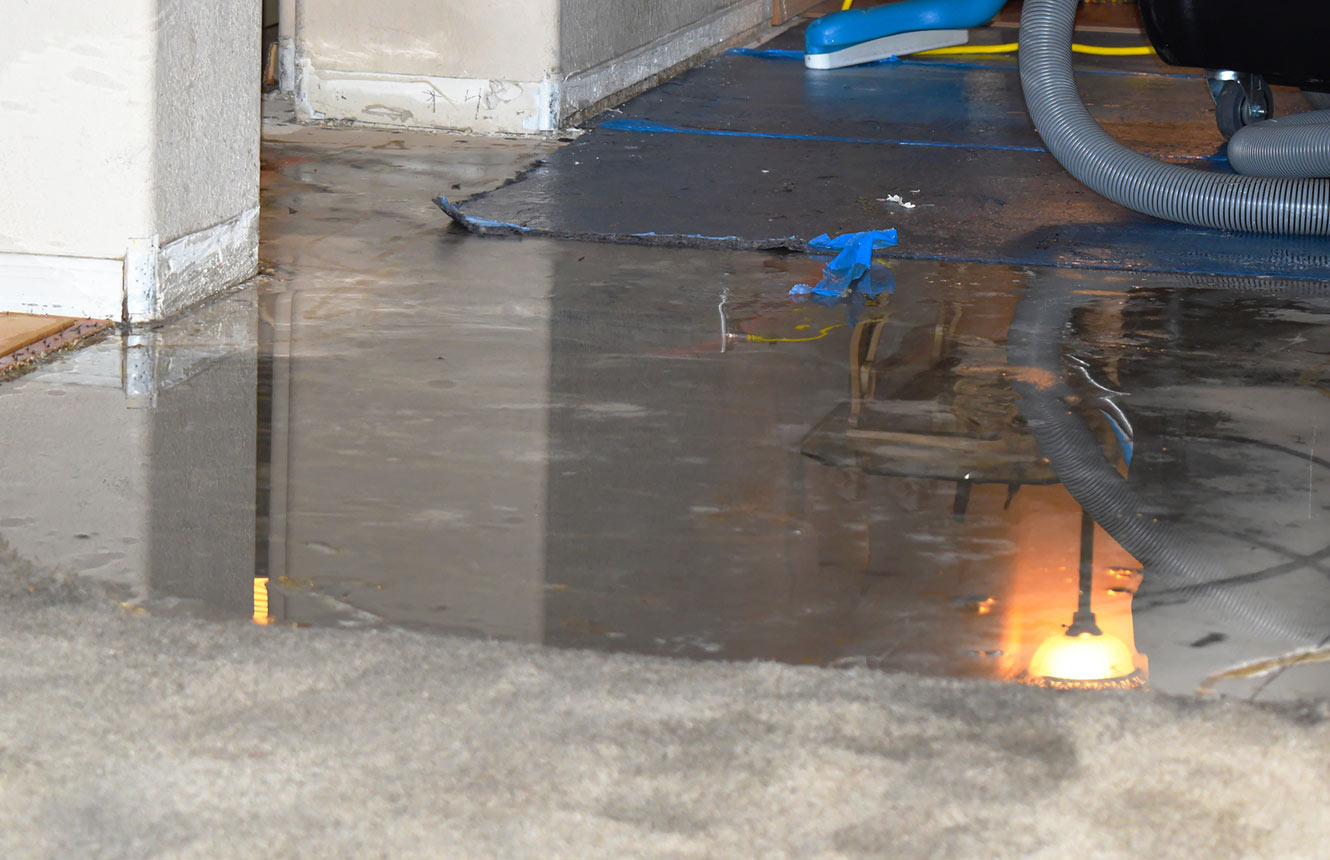
Finding water in your basement is stressful, especially when you are not sure where it came from or how much damage it has caused. You may see water along one wall after a heavy rain, around the floor drain, beneath the flooring, or spreading from the utility room after a plumbing problem.
Those situations can look similar at first, but they do not always have the same cause. In Calgary, basement flooding can come from heavy rain, snowmelt, groundwater, sewer backups, sump-pump problems, frozen pipes, or failed appliances.
The good news is that you do not need to diagnose everything before taking the first steps. Start by making sure the area is safe, stop the water if you can, and then work out where it came from and how far it travelled.
If Your Basement Is Flooding Right Now, Start Here
When there is water on the basement floor, it is easy to feel like you need to start cleaning immediately. Safety comes first, though, particularly when electricity, gas, or sewage may be involved.
- Stay out if the area may be unsafe. If water has reached electrical outlets or equipment, or you smell gas, do not enter the basement. The City of Calgary advises calling 911 if you smell gas or water has risen above electrical outlets.
- Stop the water if you can do it safely. If a burst pipe, hot-water tank, or appliance line is responsible, shutting off the water can prevent the damage from getting worse. Do not walk through standing water to reach a shutoff.
- Be cautious if sewage may be involved. Do not treat water coming back through a floor drain, toilet, shower, or sink like ordinary water. Avoid contact and call 311 if you suspect a sewer backup.
- Take a few photos before cleanup begins. If it is safe, document what the basement looks like before you extract water or remove damaged materials.
- Start drying the basement properly. Removing standing water is important, but flooring, drywall, insulation, and framing may still be wet even when the floor looks dry.
The sooner wet materials are properly dried, the better the chance of limiting additional damage and reducing the conditions that allow mould to develop.
Where Is the Water Coming From?
You do not have to be a contractor to notice a few clues. Where the water appears and what was happening outside or inside the home can point you in the right direction.
These are starting points, not a final diagnosis. Sometimes more than one issue is contributing to the problem.
Common Causes of Basement Flooding in Calgary
Water Is Collecting Around the Foundation
One of the first places to look is outside. Overflowing eavestroughs, short downspouts, low spots beside the house, and landscaping that slopes toward the foundation can send water where you don't want it.
The City of Calgary recommends directing downspouts at least 1.5 metres away from the foundation and keeping the ground sloped away from the home. If your basement only gets wet during heavy rain, correcting those outside drainage problems may be an important part of the solution.
Groundwater Is Seeping In
After prolonged rain or snowmelt, the soil around a home can become saturated. Water may then find its way through foundation cracks, joints, floor cracks, or the point where the wall meets the floor.
This can be frustrating because the basement may stay completely dry most of the year. If the same area gets wet whenever conditions outside are especially damp, it is worth looking beyond the visible crack and considering the surrounding drainage as well.
The Sump or Foundation Drainage Is Not Keeping Up
A sump system helps collect and move water away from the foundation, but pumps and drainage systems still need to work properly.
A failed pump, stuck float, power outage, blocked drainage, or poorly placed discharge can all contribute to water entering the basement. If you rely on a sump pump, regular testing, backup power, and a high-water alarm can add protection.
A sump pump is not the answer to every wet basement, though. If rainwater is being directed toward the house, you need to correct that problem too.
You Have a Sewer Backup
A sewer backup needs a different approach because the water may contain sewage and other contaminants.
Water coming up through a floor drain, toilet, or basement shower may point to a blocked or damaged sewer line, root intrusion, or pressure on the drainage system during severe weather. If that happens, avoid contact with the water, and don't assume anything it touched can simply be dried and put back.
A Pipe or Appliance Failed
Basement floods are not always caused by weather. Frozen pipes, washing-machine hoses, leaking plumbing, and failed hot-water tanks can release a surprising amount of water in a short time.
These losses are often easier to identify because the source is clear, but the water can still travel farther than expected. It may spread beneath flooring, behind baseboards, or into drywall before anyone notices.
Why the Basement Can Look Dry When It Is Not
Once the standing water is gone, it is tempting to think the worst is over. Unfortunately, water is very good at finding places you cannot easily see.
Moisture can remain underneath the surface. Flooring, drywall, insulation, framing, and subfloor materials can hold water long after the visible puddles have disappeared. Moisture readings help determine which areas are still wet, rather than relying on how the room looks or feels.
Drying is more than setting up a few fans. Proper structural drying combines extraction, air movement, and dehumidification, with the conditions checked as the materials dry. That is especially important in finished basements where water may have travelled behind walls or beneath flooring.
If moisture is left behind, materials can deteriorate, and mould may become the next problem.
How Can You Reduce the Risk of Another Basement Flood?
Once you know why the basement flooded, prevention becomes much more straightforward. The important thing is matching the solution to the actual problem rather than trying one fix and hoping it covers everything.
Keep water moving away from the house. Clean the eavestroughs, extend the downspouts, and correct low areas where rainwater collects beside the foundation.
Look after the sump system. Test the pump from time to time, check that the discharge is clear, and consider backup power or a high-water alarm if the system is important to keeping your basement dry.
Ask about backwater protection if sewer backups are a concern. A properly installed backwater valve can help prevent wastewater from flowing back into the home in some situations.
Do not ignore recurring seepage. If the same wall, corner, or floor crack becomes wet every time it rains, repeatedly patching the surface is unlikely to solve the underlying drainage problem.
Know where your main water shutoff is. If a pipe or appliance fails, being able to stop the water quickly can make a significant difference in how much damage occurs.
Does the Type of Water Affect the Cleanup?
It does. Water from a broken supply line is not handled the same way as sewage coming through a basement drain.
A plumbing failure may begin with relatively clean water, and you may save some materials if extraction and drying begin soon enough. Sewage-contaminated water requires more care because porous materials can absorb contaminants along with the water.
The same caution applies when you do not know where outside floodwater has travelled before entering the home. Clear-looking water is not necessarily clean water, so the source matters when deciding what can be dried, cleaned, or removed.
What About Your Insurance Claim?
If you may be making an insurance claim, take photos when it is safe and keep records of the emergency work and damaged materials. Contact your insurer promptly so you understand what information they need from you.
Coverage depends on both the source of the water and your individual policy. A restoration contractor can document the damage, prepare the scope of work, and communicate with the adjuster, but the insurer decides what the policy covers.
How Red Dot Restoration Helps After a Basement Flood
Red Dot Restoration responds to water damage, plumbing failures, storm losses, and sewage backups throughout Calgary and surrounding communities.
We can extract the water, check for moisture behind and beneath finished materials, dry the structure, and remove contaminated materials when they cannot safely remain. If sewage is involved, the cleanup includes the additional containment and decontamination the situation requires.
Once everything is dry and ready to be repaired, we can also handle the reconstruction. That means you are not left looking for another contractor halfway through the job. Contact our team today for a free quote.